
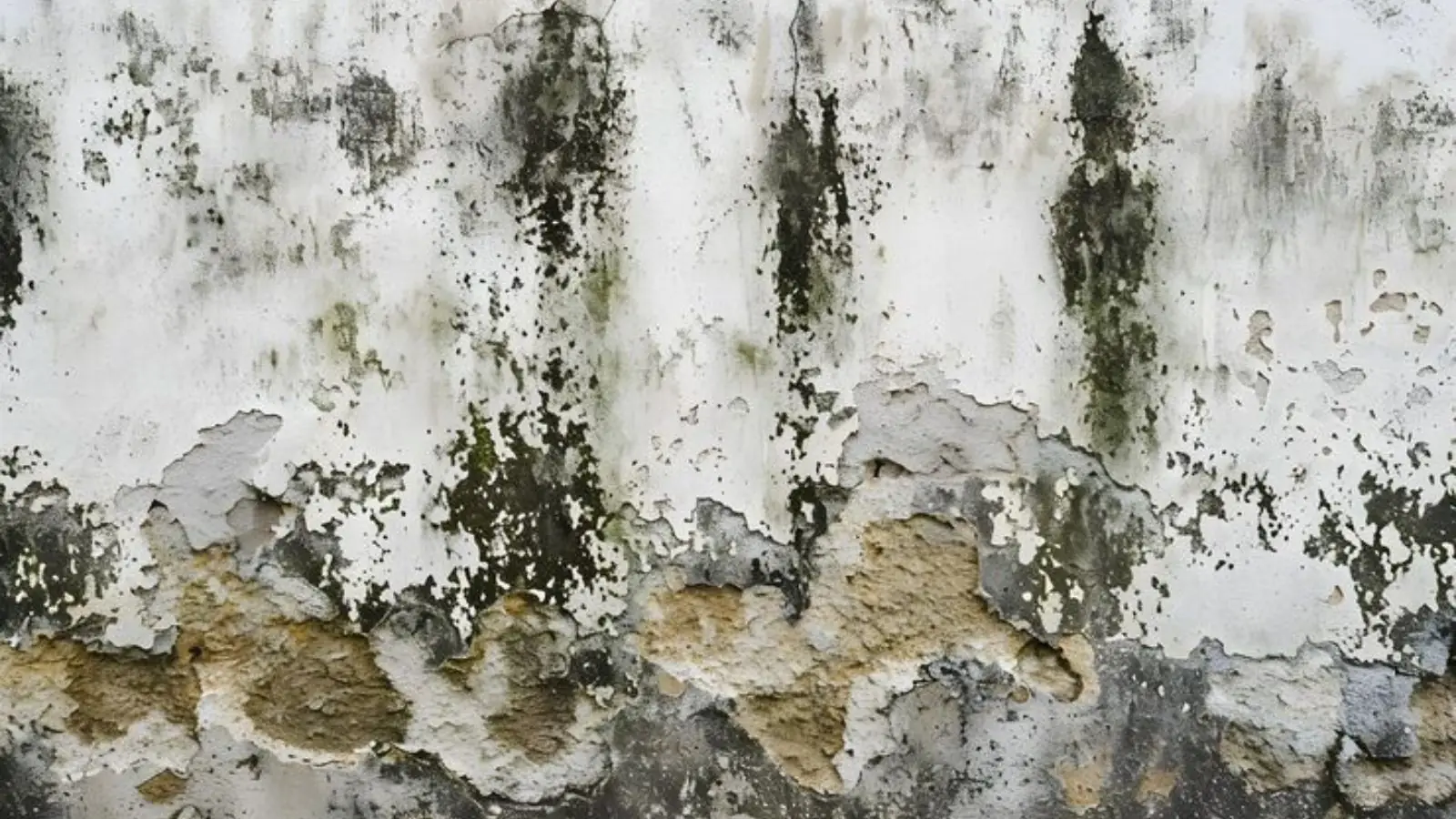
So what is mold? It is a type of fungus that breaks down organic material, and its tiny spores float through indoor and outdoor air all the time. You do not see it until a spot gets enough moisture to grow into a visible patch.
That makes this a moisture question more than a cleaning question. Here is what mold needs, where it hides in an ordinary house, and the point at which a homeowner should stop scrubbing and call for professional help.
Mold in plain terms
Mold is a fungus, not a plant, and it digests whatever it lands on. Outdoors it helps break down leaves and wood. Indoors it is out of place, because the material it digests is your drywall, framing, carpet or the dust on a shelf.
Spores float in nearly every indoor air sample, and the EPA states that removing every one of them from a house cannot be done. The practical goal is not a spore-free home. It is keeping materials dry enough that spores never get the chance to grow into colonies.
What mold needs to grow
Mold needs three things: moisture, an organic material to feed on and time. Temperatures in a typical home are fine for it, so the one you can control is moisture. Drywall paper, wood, cardboard, fabric, ceiling tile and dust all count as food.
| Ingredient | Common household source | What helps |
|---|---|---|
| Moisture | Leaks, condensation, humidity, flooding | Fix the leak, ventilate, dry wet areas fast |
| Organic material | Drywall paper, wood, carpet pad, dust | Remove soaked materials that cannot be dried |
| Time | Damp conditions lasting days | Dry within 24 to 48 hours per EPA advice |
That 24 to 48 hour window is the one number worth remembering. The EPA advises drying water-damaged areas and items within that time to prevent growth, which is why a leak that gets caught early often ends without any mold at all.
Where mold shows up inside a house
Look first where water meets materials. Bathrooms are the obvious spot, with ceilings above showers and the caulk lines around tubs. Under kitchen and bathroom sinks, behind toilets and around washing machine hoses come next.
- Window sills and frames where condensation collects overnight.
- Closet walls against an exterior wall, especially behind stored boxes.
- Attic roof sheathing and insulation below a slow roof leak.
- Around an AC air handler, condensate pan or drain line.
- Carpet pad and baseboards after a spill, pipe leak or appliance failure.
- Ceilings below an upstairs bathroom with a worn tub or toilet seal.
Some growth is hidden. When a room smells stale yet nothing shows, the likely culprit is damp material out of sight, and a moisture meter or heat-sensing camera can locate it before anyone opens a wall.
What mold looks and smells like
Mold can be fuzzy, speckled, slimy or powdery, and its color ranges from white and green to gray, brown or black. A musty, earthy smell is a common clue. Color does not tell you what it is, and photographing a patch is more useful than guessing.
Not every discoloration is mold. Dirt, soot and the white crust called efflorescence on masonry can look similar at a glance, so a damp-cloth wipe and a look at the surrounding moisture history are worth doing before you decide.
When mold needs professional help
Under roughly 10 square feet, the EPA treats cleanup as manageable for a homeowner. Beyond that, or with heavy water damage or sewage, it recommends hiring experienced people and checking their references first. Persistent smell, repeat growth after cleaning and growth inside walls are also reasons to bring in a crew.
Professional work follows published practice in ANSI/IICRC S520, which describes containment, HEPA air scrubbers and negative air, removal and drying. A simple question to put to bidders is whether their crews follow it. Health questions are for a physician, not a restoration company. Our mold remediation page explains how a job is scoped.
Not sure what you are looking at?
Call (626) 879-0276 and describe the spot, and we will say plainly whether it needs a crew.
Where mold usually starts: water damage
Most indoor mold traces back to a water event, such as a pipe leak, a toilet overflow or a roof leak that was not dried in time. If you have had any of those, drying comes first. Water mitigation covers what happens in the first 24 to 72 hours with air movers and LGR dehumidifiers.
Speed matters because wet drywall and insulation can stay damp inside a wall for days without any visible sign. Crews use moisture meters to map the wet area and thermal imaging cameras to confirm it, then set air movers and dehumidifiers to pull the water out before growth takes hold.
If a leak was slow and went unnoticed for weeks, expect that some drywall or insulation will need replacing rather than drying. A quick call, photos of the damage and a note of when you first noticed it will help whoever assesses the room decide what can be saved.
Mold in La Puente homes
The city incorporated in 1956, spans roughly 3.48 square miles and describes about 70 percent of its land as residential. With 60.4 percent of housing units owner-occupied, many mold decisions here are made by the people who own the house. That means the fix, the dry-out and any rebuild are usually yours to arrange, so keep photos and receipts from the first day.
Part of Hacienda Heights lies in the Puente Hills, and the county's community plan marks southern areas with slopes steeper than 25 percent. On a sloped lot, rain and irrigation run toward whatever is downhill, including the base of a wall. Check where gutters and downspouts discharge and whether soil is piled against siding.
Our crews, dispatched from La Puente, also serve West Covina and Hacienda Heights. The moisture rule is the same in every one of them.
Frequently asked questions
What is mold and what causes it?
Mold is a fungus that digests organic material. It grows indoors when moisture, such as a leak or condensation, meets a material it can feed on for long enough.
What does mold need to grow?
Moisture, an organic material like drywall paper or wood, and time. Remove the moisture and the other two stop mattering.
Is mold always visible?
No. It can grow behind walls, under flooring and above ceilings. A musty smell with no visible spot is a reason to check for hidden moisture with a meter or a thermal imaging camera.
Can mold be removed from a home completely?
According to the EPA, a spore-free home is not achievable. The aim is to clean visible growth, fix the water problem and keep materials dry.
Do hillside homes in Hacienda Heights get more mold?
Steep slopes appear in the county plan for parts of the community, though the plan never ties them to mold. What matters is drainage around the house and any leaks, so check gutters, downspouts and grading.