
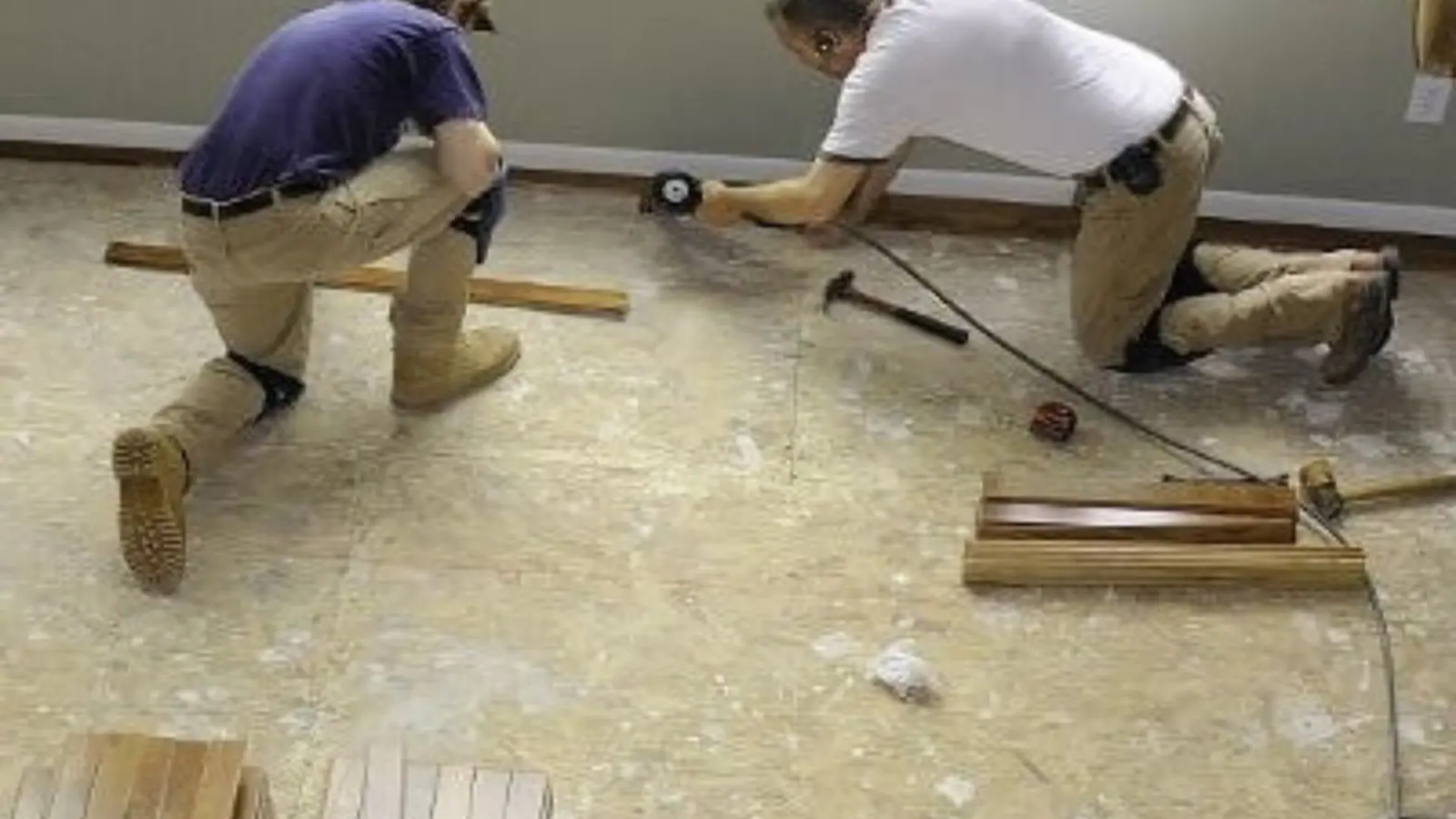
Water damage repair starts after the flooding is over and the materials have been dried. It is the stage where wet drywall is cut out, ceilings are patched, flooring is replaced and paint goes back on. Crews dispatched from La Puente work this stage in a set order so the rebuild does not trap moisture behind new finishes.
If water is still spreading, read about emergency water removal first. If the house is dry and you are deciding what to rebuild, you are in the right place.
Why La Puente homes end up needing repairs
La Puente is a compact, mostly residential city of roughly 3.5 square miles, and census data show 60.4 percent of its housing is owner-occupied. That means most repair calls involve a single-family house or a small unit where one failed supply line, water heater or roof patch soaks a few rooms, not a large commercial building. A few rooms is good news, because the damaged area can often be repaired in one phase instead of being rebuilt floor by floor.
Owners also pay for these repairs themselves or through a claim, so documentation matters. Take dated photos of the wet materials before anything is removed, and keep every receipt. Most homeowners policies cover sudden and accidental water damage but often exclude slow leaks and neglect, so check your policy before you decide how much to rebuild.
The area was walnut grove country before it was streets and tract homes. That history matters only in one practical way: older houses here may have original plumbing, original roofing and older wall materials, so ask your repair crew to look at what is behind the wall before closing it up.
Signs the drying is done and repair can begin
Repair should not start until the structure reads dry on a moisture meter, not just dry to the touch. Drywall can feel fine on the surface while the bottom plate and insulation inside the cavity still hold moisture. Closing that wall up is how a musty smell shows up two months later.
- Moisture meter readings in studs, plates and subfloor match an unaffected reference wall in the same house.
- A thermal imaging camera scan shows no cool patches that suggest hidden wet insulation.
- Air movers and LGR dehumidifiers have been removed and the indoor humidity has settled back to normal.
- Stains have stopped growing and no new bubbling appears in paint or ceiling texture.
- You have photos and a written scope listing what will be cut out, replaced or kept.
If any of these are missing, the right next step is more drying, not more building. Our water mitigation page explains structural drying and why it comes before any rebuild.
Ceiling and wall water damage repair
Ceiling repair depends on how long the board stayed wet. A single brown ring that has dried and not sagged can often be sealed with a stain-blocking primer, then retextured and painted. A ceiling that has bowed, cracked at the seams or started to drop has lost its strength and the whole panel should come down.
On walls, the standard approach is a flood cut. The crew cuts the drywall roughly two feet above the highest wet mark, removes the board and any wet insulation, lets the framing dry out fully, then hangs new board, tapes, mud, sands and primes.
Matching texture and paint
Patches show when the texture does not match, and paint rarely matches a single wall. Plan on repainting the full wall or the full ceiling plane, even if only a square yard was replaced. Popcorn ceilings and knockdown finishes both need a sprayed or hand-applied texture matched to the old one.
What happens behind the board
Before new drywall goes up, the cavity should be clean, dry and checked for any sign of mold. If mold is present, the job pauses for mold remediation first, since sealing it behind new paint just hides the problem.
Hardwood floor cupping and drying
Cupping happens when the underside of a board absorbs more water than the top, so the edges rise above the center. Many cupped floors flatten again once the subfloor dries, which can take several weeks with controlled drying and a floor mat system, so sanding too early often leaves a crown later.
Replacement is the better call when boards have buckled off the subfloor, split at the joints or stayed wet long enough to darken. A flooring crew will usually sand and refinish only after the boards read at their normal moisture level on a flooring meter.
Repair or replace: a quick decision guide
| Material | Often repairable | Usually replaced |
|---|---|---|
| Drywall | Small dry stain, no sag | Soft, swollen, crumbling or sagging |
| Insulation | Rarely | Any wet batt or blown fiber |
| Hardwood | Light cupping after full drying | Buckled, split or blackened boards |
| Laminate and vinyl plank | Rarely | Swollen edges or trapped moisture |
| Baseboard and trim | Solid wood that dried flat | Pressed fiberboard that swelled |
| Cabinet base | Solid panels dried quickly | Particleboard that has expanded |
These are common outcomes, not rules. The exact answer depends on how long the material was wet and what the moisture meter says, which is why the written scope comes before the work.
What drives the repair price
| Factor | Why it changes the number |
|---|---|
| Water category | Clean supply water allows more salvage than gray or black water |
| Affected area | More wall length and ceiling area means more board, texture and paint |
| Materials | Hardwood, tile and custom cabinets cost more than carpet or standard board |
| Drying time | Longer drying means more equipment days before repair can start |
| Rebuild scope | Painting one room is a different job than replacing flooring through a hallway |
You get a written walk-through of what the job includes and what it costs before any tool comes out. Insurance is a separate question: a sudden pipe burst and a slow drip are often judged differently, and flooding from outside typically sits under its own policy. Your agent can say which applies.
For a real number, phone (626) 879-0276 with the affected rooms, what caused the water and which finishes got wet.
Ready to rebuild after water damage?
Call (626) 879-0276 to talk through your repair scope with a licensed and insured crew.
What repair does not include
Repair brings finishes back to how they were. It does not stop water from coming in through a bad foundation, regrade a yard or replace a failed plumbing system. If the leak keeps coming back, the source needs a plumber, roofer or foundation specialist before a rebuild is worth the money.
Any contractor can be asked if the crew follows ANSI/IICRC S500, the published water damage standard for drying and restoration. For permits, the city's Building & Safety Division is the office to contact before you start. The city handles permits for building, electrical and plumbing work, and a rebuild that touches wiring or pipes is more likely to be reviewed.
Repairs close to home
We work across 91744 and 91746 in La Puente, from Main Street to the blocks around Glendora Avenue, and into nearby towns. With about 63.2 miles of city sewer, a backup coming up from the street line is a different animal from a leaking pipe inside the house. If the water came from a sewer, the cleanup in water damage cleanup has to be finished before any repair.
San Jose Creek is a real local landmark, but whether your home sits near a flood-prone area is not something to guess. Whether your block is flood-prone shows up on FEMA's mapping tool by street address, and a yes there is the moment to price a standalone flood policy.
Neighbors just east can also reach us. See water damage restoration in West Covina or call (626) 879-0276 for same-day response when available.
Frequently asked questions
How long does water damage repair take?
It depends on the rooms involved and the materials. Drywall patching and painting can be done in a few days after drying finishes, while flooring replacement and cabinet work add time for ordering and curing.
Your written scope will give a realistic schedule once the moisture readings are in.
When can repair start after the water is removed?
Repair starts when moisture meter readings show the framing, subfloor and drywall are dry, usually after several days of air movers and LGR dehumidifiers. Building over wet material is the most common cause of later mold.
Will the new paint match the old wall?
Not always on a patch. Painting the full wall or ceiling plane gives the cleanest result, and texture must be matched by hand or spray.
Does homeowners insurance pay for water damage repair?
Policies often cover sudden and accidental water damage and often exclude gradual leaks and neglect. Floodwater is normally handled by a standalone policy, written through the federal NFIP or a private carrier.
Check your policy or ask your insurer, because we cannot promise a claim outcome.
Is water damage repair the same as foundation repair or waterproofing?
No. Repair rebuilds what water damaged inside the home. Foundation cracks, grading and waterproofing are separate trades, and we will tell you if that is what your house needs.
Do I need a permit for my repair?
Permit questions go to the city's Building & Safety Division. Work that involves electrical or plumbing changes is more likely to need one than patching and painting.
Can someone just look at the damage before I commit?
Yes, we can schedule an assessment where a crew checks the materials with moisture meters and explains what needs repair. Call (626) 879-0276 to set that up.