
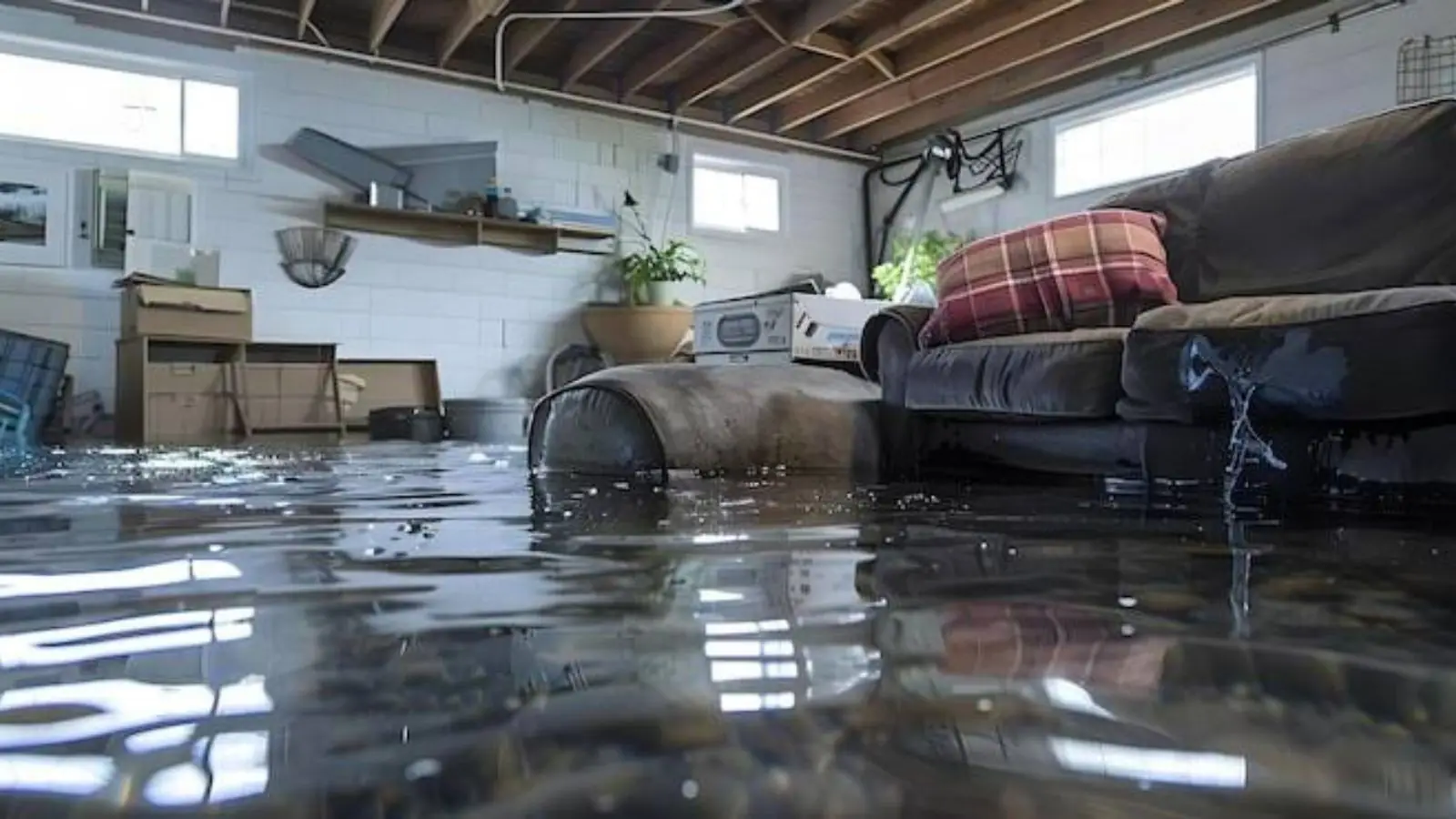
If floodwater or sewage is inside your home right now, we are on the line 24/7 for flood damage restoration in La Puente. Until a crew is on the way, close the main valve, stop whatever is feeding the water, raise valuables off the floor, and keep family and animals out of it. Electricity to wet rooms should be cut only from a panel that is dry and easy to get to.
Flood water is usually Category 2 or 3, which means it can carry contaminants and cannot simply be mopped and fanned dry. Crews extract it, remove what cannot be cleaned, then dry and sanitize the structure.
When floodwater is an emergency
Water that came from outside the house or up through a drain may have touched soil, runoff or sewage on the way in. Every hour it sits on carpet, drywall and wood raises what you will have to tear out. Mold can start within a couple of days of wetting according to EPA guidance, so ask whether a crew is free the same day.
Electrical, gas and contaminated water
Your safety comes before any cleanup, and some steps belong to the utility or 911, not to us.
- Stay out of standing water if outlets, cords or appliances are under it or near it.
- Use the breaker only when the route to a dry panel keeps your feet out of the water.
- Gas odor, sparks or buzzing from soaked wiring means walk out and contact 911 or your utility ahead of us.
- Keep children, pets and anyone with open cuts out of sewage or floodwater.
- Do not run a wet vacuum, space heater or fan that has touched floodwater.
When you can enter safely, ring (626) 879-0276 and report the water's origin, its depth and the rooms it reached. Photos taken before anything is moved help with your own records and with any claim you decide to file.
Why flooding reaches La Puente homes
At about 3.48 square miles, La Puente is small, and by the city's own description around 70 percent of its land is residential. Most flood calls here are houses, duplexes and garages. A storm that overwhelms a street drain puts water against many doors at once.
The city's maintenance division reports 63.2 miles of sewer mains and 1,386 manholes in the street network. When a main is stressed, the first sign inside a home is often a floor drain, tub or low toilet backing up. If that happens, report it to the city and your sewer provider while you call us for cleanup, because the pipe itself is not something a restoration crew repairs.
Category 2 and Category 3 water, and what each means for your floors and walls
IICRC water categories are general industry guidance. Category 1 comes from a clean source, Category 2 is significantly contaminated, and Category 3 is grossly contaminated and includes sewage and most outside floodwater. Clean water that sits long enough can slide into a higher category.
| Category | Typical source | Usual handling |
|---|---|---|
| Category 1 | Supply line, sink overflow | Extract, then dry carpet, pad and wallboard in place when caught fast |
| Category 2 | Washing machine, dishwasher, some toilet overflow | Extract, clean and treat, often remove pad and low wallboard |
| Category 3 | Sewage, storm and river water, groundwater | Remove porous materials, clean hard surfaces, apply antimicrobial, verify with moisture readings |
Porous materials such as pad, insulation and drywall that wicked up Category 3 water are normally removed, not dried. Wood framing and concrete can usually be cleaned and dried, then checked with a moisture meter.
Basement flooding cleanup
Most La Puente homes sit on a concrete slab or a raised foundation, so a true basement is not common here and we will not tell you otherwise. What does flood is the lowest level of the house: a sunken living room, a lower-level garage or workshop, a finished garage conversion, a utility room, or the crawl space under a raised floor. The cleanup method depends on which of those you have.
On a slab, water spreads across the whole floor and wicks into the bottom of the walls. Crews extract with portable extraction units, pull baseboards, cut drywall a measured height above the wet line, and run air movers and LGR dehumidifiers until the slab and framing read dry on a moisture meter. Flooring glued to concrete often has to come up because moisture sits trapped under it.
In a crawl space, standing water is pumped out first, wet insulation is removed, and the subfloor is dried from below with air movers and dehumidification. A thermal imaging camera helps find wet framing you cannot see. Garages usually dry fastest, but stored cardboard soaks up water and is the first thing to sort.
We also want to be clear that this is restoration, not waterproofing or foundation repair. If water keeps coming in at the same spot every storm, a drainage or grading contractor needs to fix the cause after we dry the structure.
Sewage backup cleanup
Sewage is Category 3 from the moment it leaves the pipe. Stay out of the room, keep children and pets away, and avoid running sinks or the washing machine while a line is blocked. Where outlets or the water heater sit in the wet zone, contact 911 or the utility first.
Technicians in protective gear extract the liquid using truck-mounted or portable units, then remove sewage-soaked porous items such as carpet, pad, baseboard and the lower strip of drywall. Hard surfaces are scrubbed and treated with an antimicrobial. HEPA air scrubbers and containment barriers keep dust and odor from traveling into clean rooms while demolition is underway.
Who fixes the pipe depends on where the blockage is. The city says it maintains its own sewer mains, but the line from your house to the main is usually the owner's concern, so a plumber should camera and clear it. We handle contaminated materials and drying, and you can read more on emergency water removal and water damage cleanup.
How flood damage is assessed and dried
Assessment begins with a moisture meter on floors and walls, plus a thermal camera that reveals wet zones hiding behind paint and flooring. The crew notes the water category and which materials are salvageable. You get the scope and price explained before work starts.
Extract
Truck-mounted or portable units pull standing water out of rooms, garages and crawl spaces.
Remove and clean
Contaminated carpet, pad and wet drywall come out, and remaining surfaces are cleaned and treated.
Dry
Air movers and LGR dehumidifiers run, and moisture readings are logged until structure reads dry.
Verify and rebuild
Final readings confirm the structure is ready, then rebuilding can start.
Drying typically takes several days, not hours, because framing and slabs release moisture slowly. Rebuilding is covered on our water damage repair page, and the early drying phase on water mitigation.
Flood damage versus water damage insurance
This difference trips up a lot of homeowners. The California Department of Insurance explains that flood falls outside a homeowners policy, though other types of water loss are generally included. Flood insurance can be bought as a separate policy in addition to your homeowners policy.
That separate coverage is the federal National Flood Insurance Program, run through FEMA, or a private flood policy. A burst pipe may fall under your homeowners policy, while storm runoff or rising groundwater usually will not. Slow leaks and lack of maintenance are frequent exclusions as well, which is a reason to read your policy and question your insurer.
The Department of Insurance claims guide suggests photographing damage, saving receipts and delaying permanent repairs until the adjuster has looked. We cannot predict what any insurer will decide.
Check the FEMA flood map for your address
Look up your own address on the FEMA flood map instead of guessing from a neighbor's experience, because a mapped zone changes your insurance choices. Being outside a zone does not mean water cannot reach you. In Baldwin Park, the city plan reports no FEMA-mapped 100-year or 500-year flood zones and only minor past flooding, but it lists Santa Fe Dam among its dams of concern.
That is relevant to our Baldwin Park customers deciding on flood coverage. Ask your agent whether a separate policy fits your street, and ask about waiting periods.
What drives the cost of flood cleanup
| Factor | Why it changes the price |
|---|---|
| Water category | Category 3 water means more removal, cleaning and protective gear |
| Affected square footage | More floor and wall area means more extraction and drying |
| Materials involved | Carpet and pad, drywall, hardwood and cabinets each have different salvage options |
| Drying days and equipment | The number of air movers and dehumidifiers and how long they run |
| Rebuild scope | Demolition leaves rooms open, and rebuilding is a separate scope |
To put a figure on your own flood, call (626) 879-0276 and describe the water, the rooms and the flooring, and the dispatcher can explain how the scope and price are set before any work starts.
Floodwater or sewage in your home?
Phone (626) 879-0276 at any hour, since the line is staffed around the clock and some crews can come the same day.
After hours and after the water is gone
Storms do not wait for business hours, and neither does dispatch. After-hours calls get a crew as soon as one is available. If materials stayed wet, ask about mold checks, which our mold remediation page explains.
Dispatch comes out of 1801 N Hacienda Blvd, La Puente, and the service area stretches to West Covina and Hacienda Heights. Ask the city building department about permit rules before rebuilding, since cutting out walls and replacing electrical or plumbing may need inspection.
Frequently asked questions
Do you handle flood damage restoration emergencies at night or on weekends in La Puente?
Yes. The line is staffed 24/7 through nights, weekends and holidays, and same-day service is offered when a crew is free. Ring (626) 879-0276 and give the water's source and depth, and the dispatcher will lay out what to do while a crew is arranged. Arrival times are not guaranteed.
Is sewage backup the same as flood damage?
Both are usually Category 3, so the cleanup is similar, with removal of porous materials and antimicrobial treatment. Insurance may treat them differently, so ask your insurer how a sewer backup is handled under your policy.
Does homeowners insurance cover flood damage?
Usually not. Per the California Department of Insurance, flood is carved out of homeowners policies while other water damage is not, and flood protection is bought separately. Check your policy and ask your insurer.
Can you dry a slab foundation after a flood?
Yes. Concrete slabs hold moisture, so crews use air movers and LGR dehumidifiers and take readings with a moisture meter until the slab and wall bases are dry. Flooring bonded to the slab often has to be removed first.
How long does flood cleanup take?
Extraction can happen in hours, but drying typically takes several days depending on the materials, the water category and the affected area. Drying is finished when moisture readings say so, not when surfaces feel dry.
Do you fix the drain or waterproof the foundation?
No. We do restoration, meaning extraction, removal, cleaning and drying. A plumber should clear or repair the drain line, and a drainage or foundation contractor should handle recurring water entry.