
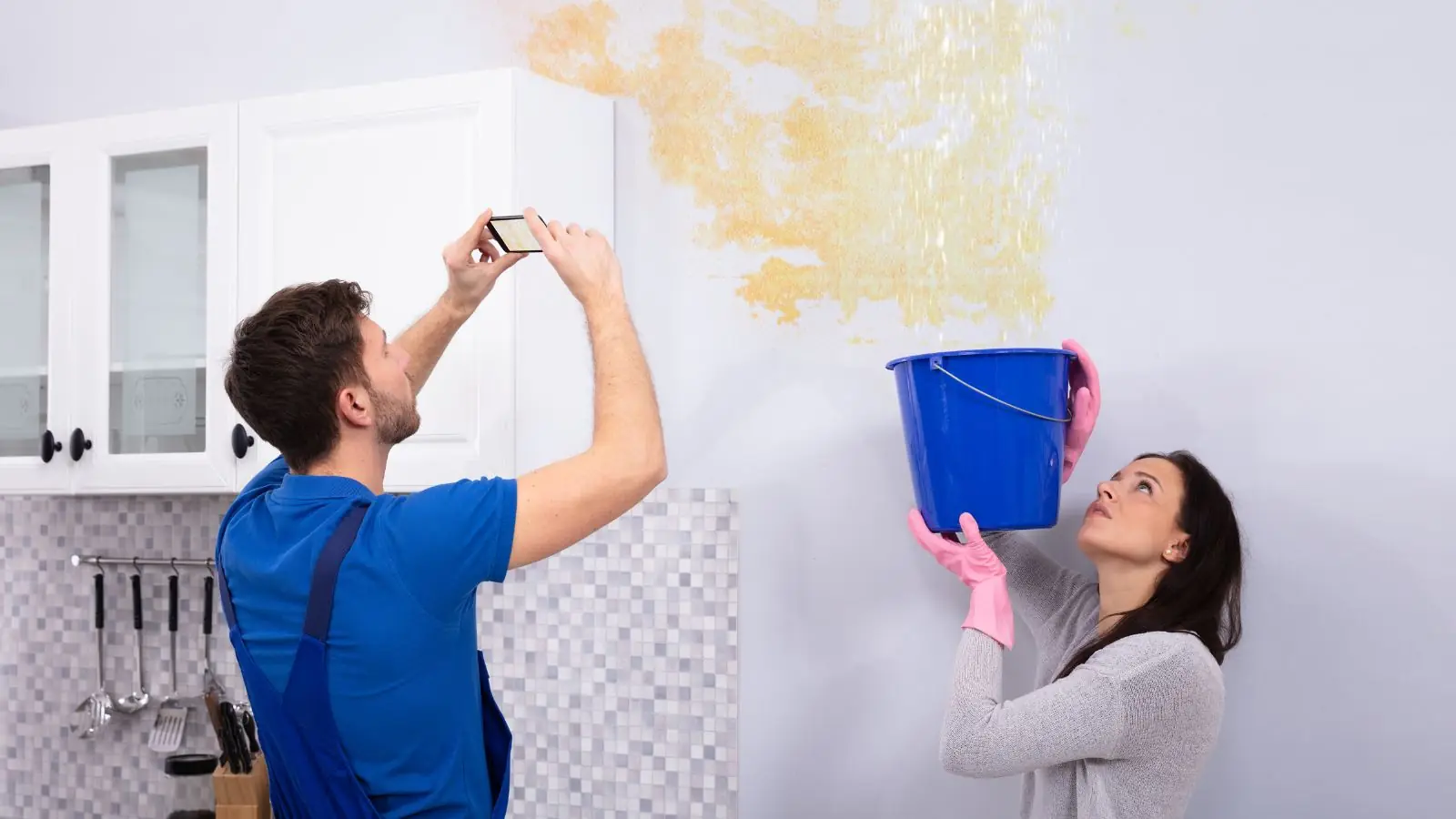
Getting insurance to pay for water damage is mostly about timing, records and a clear description of what happened. Nobody can promise how a claim turns out, because that depends on your policy and the facts of the loss. What you control is how well the damage is documented and how quickly you act.
This guide covers the steps to protect your home, record the loss, file the claim and work with the adjuster. Coverage questions always belong to your insurer, so read your own policy alongside it.
Start with the policy, not the phone
Before you call anyone, find your declarations page and the water damage language in your policy. Look for the deductible, any separate limits and exclusions for flood, earth movement and long-term seepage. A few minutes of reading tells you what to ask.
The state's Department of Insurance draws a line for homeowners: flooding sits outside a standard policy, while other forms of water damage usually fall inside it. Protection against flooding has to be bought on its own, from the NFIP or from a private insurer. The department also notes that regulation does not cover the NFIP, so flood questions go to that program.
What is usually covered and what is not
The table is a general pattern, not a promise. Policies differ, and insurers decide each claim on its own facts.
| Type of loss | Often treated as | Check this |
|---|---|---|
| Sudden burst or failed supply line | Sudden and accidental, often covered | Cause and timing of the break |
| Slow leak over weeks or months | Gradual damage, often excluded | Maintenance and discovery date |
| Appliance overflow or water heater failure | Often covered if sudden | Age of the appliance |
| Rising groundwater or storm flooding | Flood, usually excluded | Separate flood policy |
| Sewer or drain backup | Depends on an added endorsement | Backup coverage on your policy |
| Roof leak from storm damage | Often covered if the roof was sound | Condition of the roof before the storm |
Always ask your insurer which category your loss falls into. A company representative cannot honestly tell you before the adjuster has seen it, and neither can a restoration crew.
Step 1: Stop the damage and protect the home
Your policy expects reasonable steps to prevent further damage. Shut off the water at the main valve or the fixture, move belongings out of the wet area and start removing standing water if it is safe. For active flooding or sewage, emergency water removal is the quick way to stop the spread.
The Department of Insurance advises keeping receipts for reasonable protection costs, such as plastic sheeting or plywood. The same guidance warns against big permanent repairs before an adjuster looks at the home, and against contractors who urge you to spend heavily on stopgap work.
Step 2: Document everything before you clean up
Photos and video are the heart of any water claim. Capture wide shots of each room and close-ups of the damage, the source of the leak and any model or serial numbers on affected appliances. Do not throw out damaged items until the adjuster approves, since they may need to see them or at least a sample.
- Date and time of discovery, plus what you did first.
- Wide and close-up photos and video of every affected room.
- The source of the water, including the broken part if you can keep it.
- A written list of damaged belongings, with age and approximate value.
- Receipts for emergency supplies, hotel stays and extra living costs.
- A running call log listing who you spoke with, the date, and what each person told you.
- The restoration crew's daily moisture readings and equipment records.
Step 3: Report the claim and keep a paper trail
Report the loss soon after you find it, because late notice can complicate a claim. Give the facts plainly: what happened, when you found it and what you have done since. Write down the claim number and the adjuster's name.
California regulations set deadlines for insurers. California's claim rules give an insurer 15 calendar days to acknowledge that you reported a loss, then 40 calendar days from proof of claim to say yes or no. If it accepts, payment is due within 30 days. These are general timelines, so confirm the details with your insurer or the Department of Insurance.
Mention if you suspect mold. The Department of Insurance advises reporting suspected mold to the adjuster, and the cleanup work for it falls under mold remediation practice.
Step 4: Work with the adjuster
The adjuster inspects the damage, reviews your records and writes up what the insurer will consider. Be present, point out every affected area and share the photos and moisture logs. A drying contractor can walk the adjuster through readings and what has been removed, but coverage decisions stay with the insurer.
Get itemized bids from licensed contractors, and ask whether the scope matches the adjuster's notes. If the numbers differ, ask in writing which items are in dispute and why. Stay polite and factual, because a calm paper trail helps if you need to ask for a review.
Need documentation help after a water loss?
Call (626) 879-0276, our 24/7 dispatch line, and ask what readings and photos a crew records.
Step 5: Dry, repair and keep records
Documented drying is what separates a covered loss from a growing one. Water damage repair begins after the structure reads dry and the adjuster has seen the damage. Keep the final invoices, the drying logs and any permits in one folder.
The invoice your adjuster reviews reflects water category, area dried, materials removed, equipment days and any rebuild. Ring (626) 879-0276 when you are ready for a figure of your own, and the written scope and cost will be walked through before the crew begins, which gives your adjuster something concrete to review. A restoration company does not decide coverage, and it does not bill your insurance on your behalf.
Insurance claims for water damage in La Puente
A draft housing plan for West Covina covering 2021 to 2029 reports that over two-thirds of the homes there predate 1980. Older plumbing and fixtures can fail slowly, and insurers often treat gradual leaks differently from sudden breaks. Document the age of the failed part and when you first noticed the damage.
In Baldwin Park, the Building Division at 14403 E. Pacific Avenue, handles permits, and the application states that a permit lapses when work never starts or stops for 180 days. If your claim is slow and your repair needs a permit, keep an eye on that clock and ask the division how it applies.
The city's draft Safety Element shows no part of La Puente inside the 100 or 500 year floodplain. That does not mean flood damage is covered, since homeowners policies exclude it. Search your own address on the FEMA map, and raise flood add-on coverage with your insurer well before storm season.
Frequently asked questions
How do I get my insurance to pay for water damage?
Document the damage with photos and video, protect the home from more loss, report the claim promptly and share records with the adjuster. Coverage depends on your policy and the cause, so no one can promise an outcome.
Will homeowners insurance cover water damage from a burst pipe?
A pipe that bursts without warning is commonly covered, whereas slow seepage and deferred maintenance commonly are not. Check your policy and ask your insurer to classify the loss.
Should I start repairs before the adjuster comes?
Keep the house from getting worse and save every receipt, yet wait for the adjuster before committing to large permanent repairs. Emergency water removal and drying generally cannot wait.
What if my claim is denied or the payment seems low?
Ask for the reason in writing, request a review and bring your photos, logs and itemized bids. The state Department of Insurance explains the process and your options.
Do Baldwin Park and West Covina homes face the same claim steps?
The steps are the same, but permits and building rules differ by city. See Baldwin Park water damage restoration and West Covina water damage restoration for coverage in each.